

INFORMATION SHEET
Saffron
CROCUS SATIVUS L
Pour la version française, cliquez ici.
Origin of saffron
Originally from Crete, Saffron soon spread to the Middle East. It was first cultivated in the Greek provinces, by the Minoan civilization, over 35 centuries ago.
Saffron is obtained by the cultivation of Crocus sativus L, a bulbous perennial plant from the Iridaceae family, and by the removal and dehydration of its three red stigmas (distal ends of the plant carpels), whose length generally varies between 2.5 and 3.2 cm. Saffron flowers bloom at the beginning of autumn and bear a blue flower mixed with red and purple, with highly developed and fragrant yellow threads!
Saffron is a very common spice in Mediterranean cuisine and has several virtues. It is also used as a colouring agent.
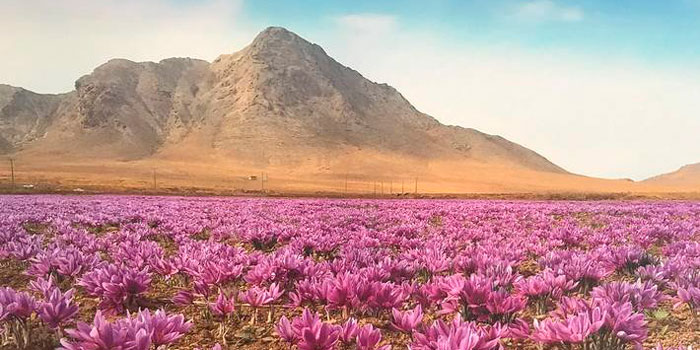

Sometimes called « Red Gold », saffron is the most laborious spice to produce in the world. It takes 140,000 to 150,000 flowers, or approximately 400,000 threads, to produce about 1 kilogram of saffron. This explains why the market price of this precious spice reaches approximately $40,000 to $60,000 per kilogram.
Saffron from the Domaine Bec Pécan

The saffron from the Domaine Bec Pécan, located in the magnificent Eastern Townships regions of Quebec, Canada, is grown in a sustainable and ecological way, without pesticides or any chemical substances.
Each flower is hand-picked and pruned with care. The threads of the saffron flower are dried and stored in the best conditions in order to preserve their exceptional and complex qualities. The threads offer a sweet floral scent, tinged with notes of honey. To taste, saffron is characterized by an earthy, subtly bitter aromatic bouquet, with characteristic notes reminiscent of both hay and metal. Its scent is sweet and honeyed with some metallic notes.
How to use saffron
For your recipes
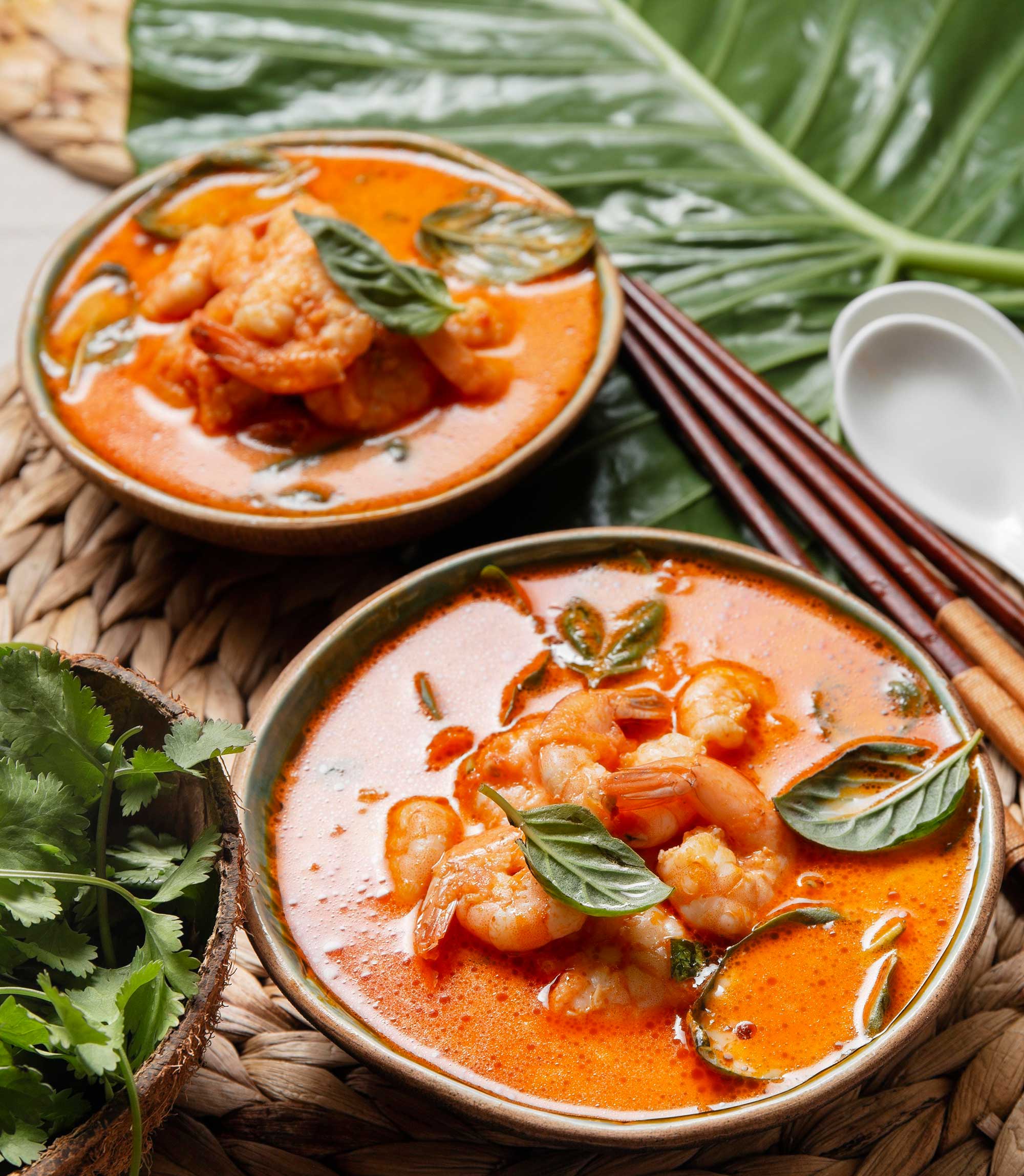
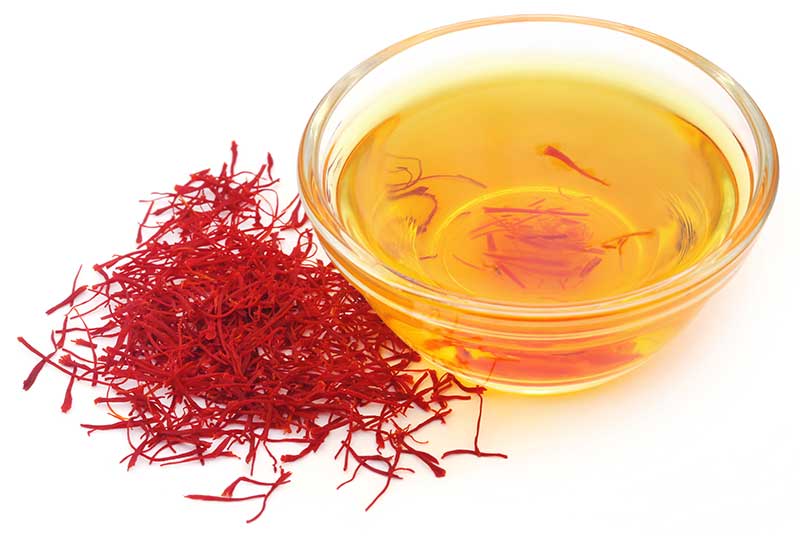
Saffron can flavour and colour any dish! Simply heat a little water or broth from your recipe and infuse a few threads (the amount varies by preference) for at least fifteen minutes, ideally 3 hours, before adding it to your recipe. Saffron is also enjoyed as an infusion alone or accompanied with your favourite herbal tea.
Saffron threads are edible. You don’t have to remove them before consuming.
Saffron Infusions
Saffron can be prepared as an infusion, either by itself or accompanied with your favourite herbal tea. Just add hot water (not boiling) and let it infuse for at least 15 minutes. The duration of the infusion and the number of threads used depend on the taste and the desired effect.
Saffron infusions are a great way to enjoy the health benefits of saffron. Saffron is known for its positive effect on stress, anxiety, depression, and sleep. Saffron is antioxidant, relaxing and helps with digestion. It is rich in iron and magnesium, as well as a source of vitamin B6.
Properties and health benefits
Saffron has been used for its medicinal benefits for thousands of years. It contains multiple organic compounds that have a beneficial effect on health. Saffron contains four beneficial organic compounds that have a positive effect on health: safranal, crocin, picrocrocin and kaempferol.
- Safranal, with the help of picrocrocin, is the component responsible for the characteristic aroma of saffron. It is also a powerful anxiolytic and antioxidant.
- Crocin, crocetin and picrocrocin give saffron threads their intense red colour. These are soluble elements that have antioxidant and anticarcinogenic properties. Just like safranal, these organic compounds would have anxiolytic and antidepressant properties.

Concentré d’antioxydants
Saffron is recognized as a spice rich in antioxidants: crocin, kaempferol, and safranal. The study The effects of Crocus sativus (saffron) and its constituents on nervous system: A review from the National Librairy of Medicine suggests that saffron may reduce the risk of chronic diseases and depression. The anti-inflammatory compounds may help protect brain function.
Read the article here.
Mental health support
Does the spice of happiness exist? The meta-analysis Saffron (Crocus sativus L.) and major depressive disorder: a meta-analysis of randomized clinical trials presented by Journal of Integrative Medicine concludes that a supplement of 30 mg saffron per day could help reduce symptoms of mild to moderate depression and anxiety, which would help happiness!
Read the article here.
According to the article Hydro-alcoholic extract of Crocus sativus L. versus fluoxetine in the treatment of mild to moderate depression: a double-blind, randomized pilot trial from the Journal of Ethnopharmacology, saffron would be as effective as antidepressants with fewer side effects.
Read the article here.
Cardioprotective potential
The study entitled Cardiovascular effects of saffron: an evidence-based review presented by Journal of Integrative Medicine demonstrates that saffron could potentially lower blood pressure and blood cholesterol levels.
Read the article here.
Reduction in premenstrual symptoms
Other studies show that adding a saffron supplement on a daily basis may help women with symptoms associated with premenstrual syndrome (PMS) (irritability, headaches and abdominal cramps).
Precautions
Always consult your healthcare professional before beginning any supplement protocol, especially if you are already taking medication.
Doses of saffron supplements should not exceed 1.5 g per day. Several beneficial effects have been reported with doses as low as 30 mg per day.
Pregnant women should exercise caution with saffron supplements, as high doses may cause uterine contractions.
*Référence : « Le Safran »; https://www.noovomoi.ca/cuisiner/aliments/safran.html
Nutritional values of saffron
Pour la version française, cliquez ici.
Saffron is highly calorific: 352 calories for every 100g of saffron.
Saffron is rich in minerals, trace elements and vitamins.
For every 100 g of saffron :
| Nutrients | Average Content |
| Calories | 352 kcal |
| Water | 11,9 g |
| Proteins | 11,4 g |
| Carbohydrates | 61,5 g |
| Lipids | 5,85 g |
| Sugars | 42,4 g |
| Starch | 19,1 g |
| Dietary Fibres | 3,9 g |
| Sodium Chloride (Salt) | 0,37 g |
| Calcium | 111 mg |
| Copper | 0,33 mg |
| Iron | 11,1 mg |
| Magnesium | 264 mg |
| Manganese | 28,4 mg |
| Dietary Phosphorus | 252 mg |
| Potassium | 1720 mg |
| Sodium | 148 mg |
| Zinc | 1,09 mg |
| Beta-Carotene | 318 µg |
| Vitamin E | 1,69 mg |
| Vitamin C | 80,8 mg |
| Vitamin B1 or Thiamin | 0,12 mg |
| Vitamin B2 or Riboflavin | 0,27 mg |
| Vitamin B3 or PP or Niacin | 1,46 mg |
| Vitamin B6 | 1,01 mg |
| Vitamin B9 or Total folate | 93 µg |
Conservation
In order to preserve the aroma and nutritional benefits of saffron, it is recommended to store it in an airtight container in a cool, dark and dry place.
*Precautions and Side Effects
Use appropriately, up to daily doses of 1.5 g. Saffron has demonstrated safe use over the centuries. However, rare cases of adverse reactions have been reported such as nausea, vomiting or stomach upset. These effects are temporary and did not require the cessation of the consumption of Saffron. At high doses, Saffron has a narcotic effect. It is toxic at very high doses and may cause inhibition of platelet aggregation.
Saffron is not recommended for pregnant or lactating women, children under 12 years of age, people with gastric ulcers, and people taking anticoagulants, antihypertensives, or antidepressants.
Taking Saffron may also interact with alcohol.
Crocus sativus is a cultivated plant not to be confused with a wild plant called autumn colchicum, highly toxic.
Discover our saffron products!
Discover the saffron products from the Domaine Bec Pécan and start enjoying their benefits now!
Produits similaires
-
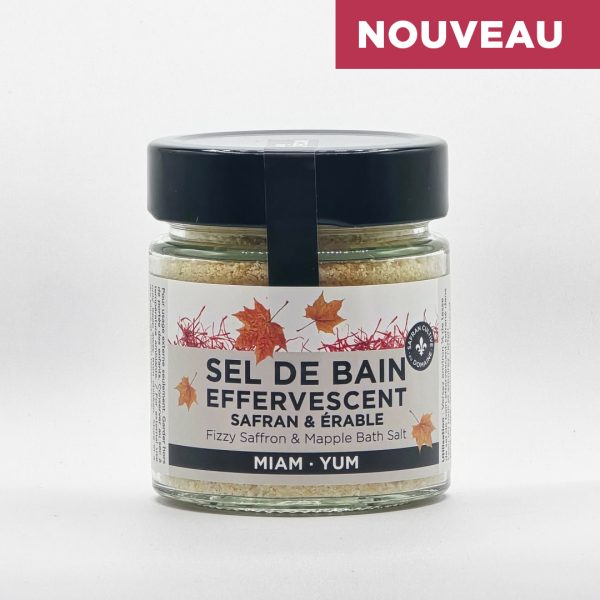
Sel de bain effervescent au safran et à l’érable 225 g
18.50$ -
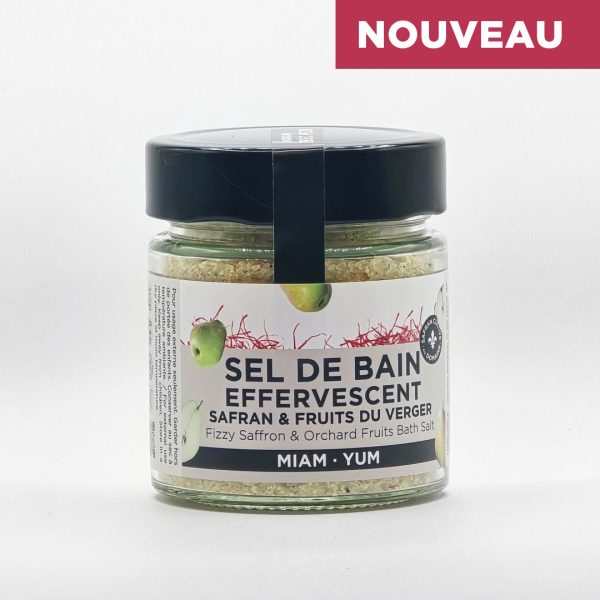
Sel de bain effervescent au safran et fruits du verger 225 g
18.50$ -
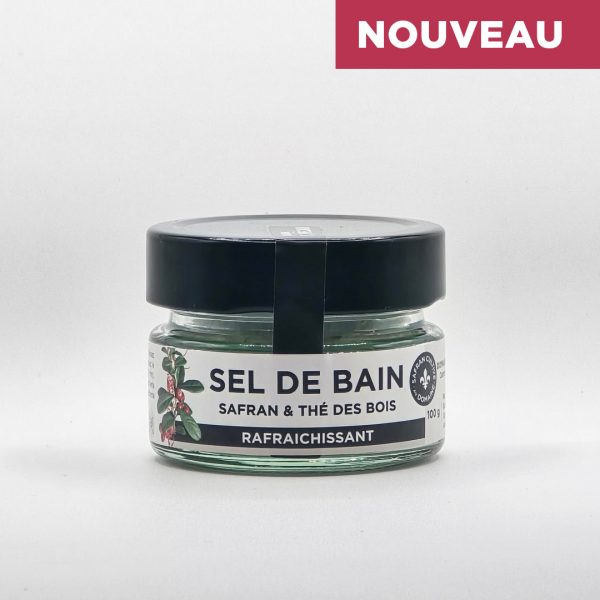
Sel de bain safran et thé des bois 100g
8.50$ -
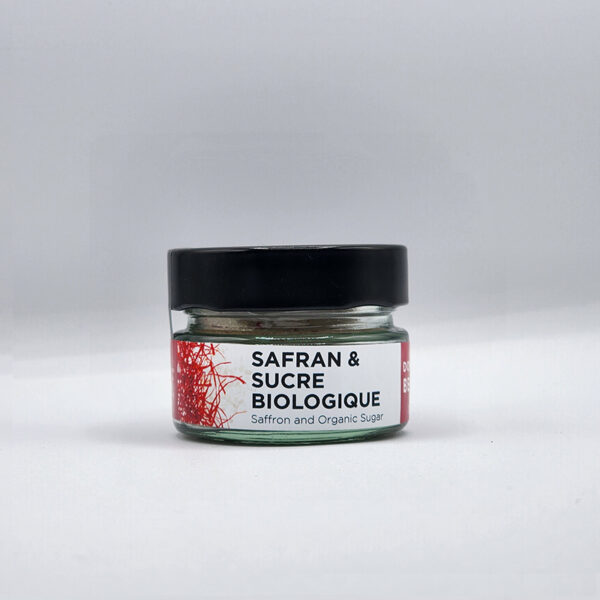
Safran et sucre de canne biologique
14.50$ -
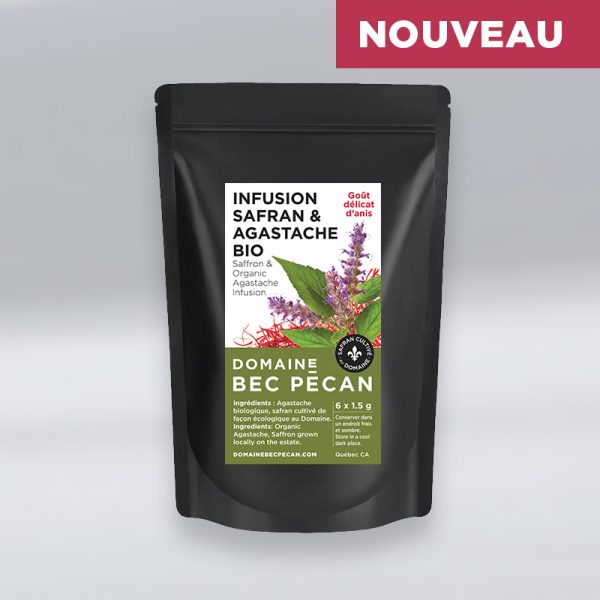
Infusion safran et agastache biologique, ensemble de 6 sachets
14$ -
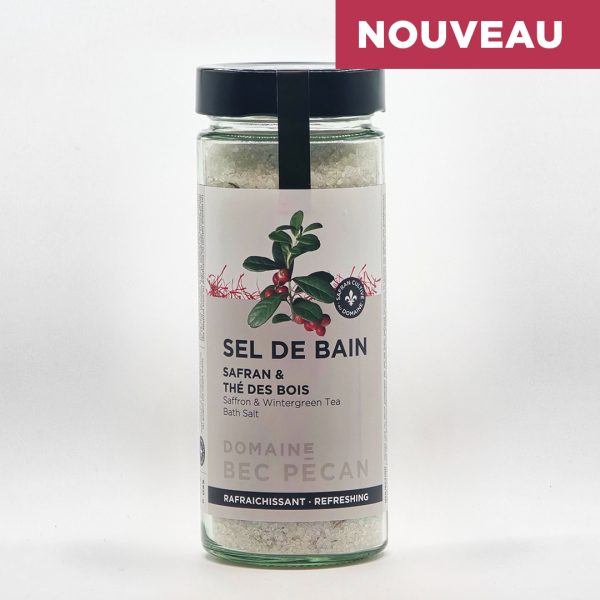
Sel de bain safran et thé des bois 550g
32$ -

Infusion safran et camomille biologique, ensemble de 6 sachets
14$ -
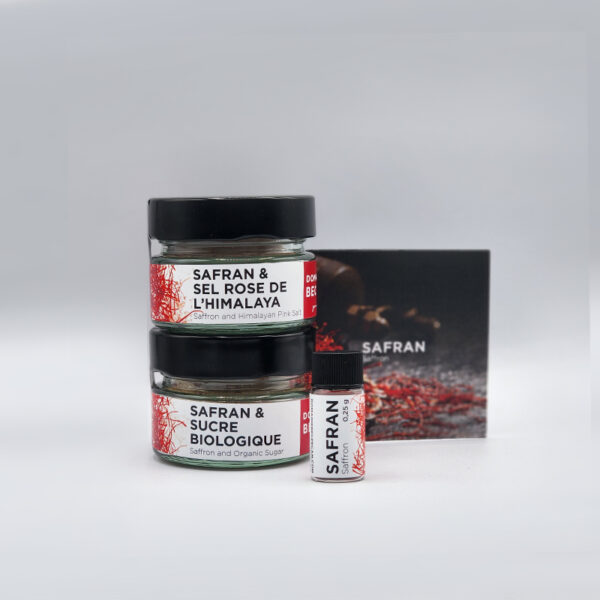
Ensemble de safran, de sel safrané et de sucre safrané biologique
48.50$ -
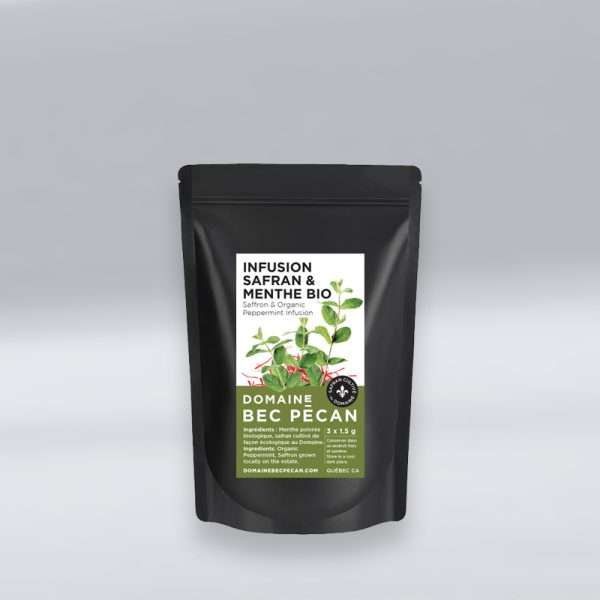
Infusion safran et menthe poivrée biologique, ensemble de 3 sachets
7.50$ -
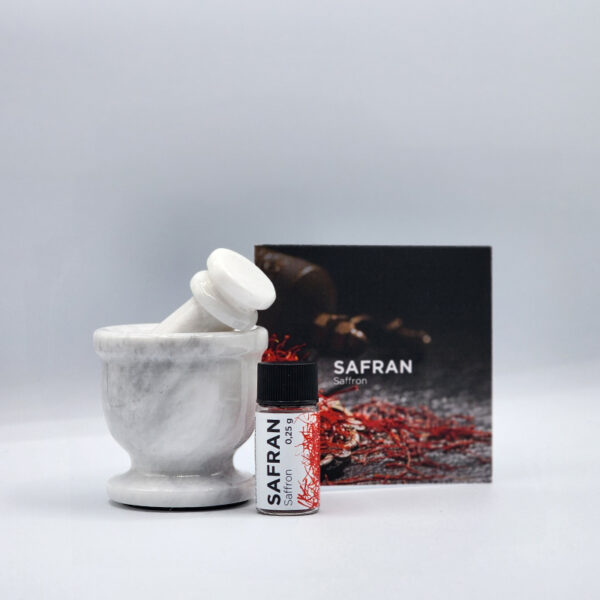
Ensemble de safran et petit mortier en marbre blanc
42.50$ -
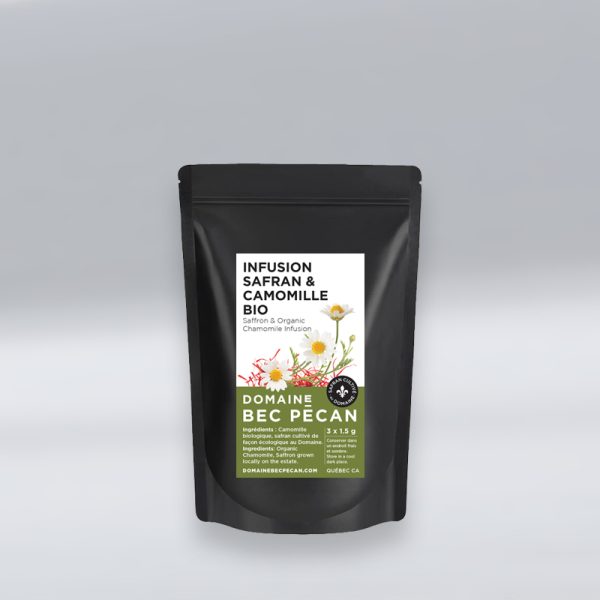
Infusion safran et camomille biologique, ensemble de 3 sachets
7.50$ -
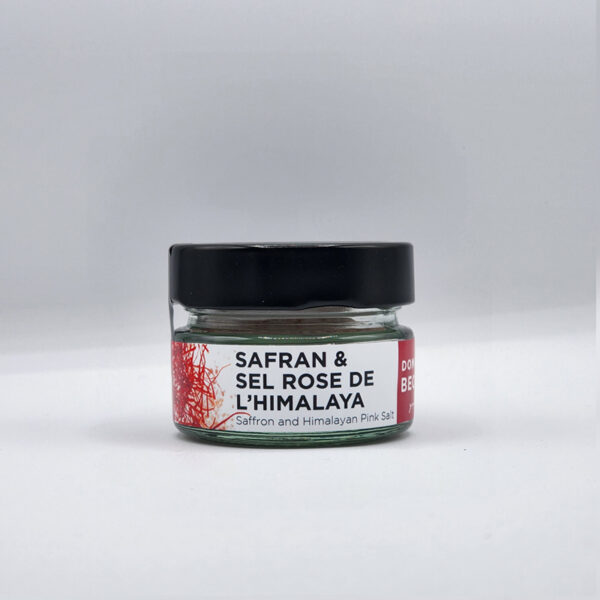
Safran et Sel Rose de l’Himalaya
14.50$